News
Rising Oil Prices Intensify Pressure on India’s Economy and Rupee
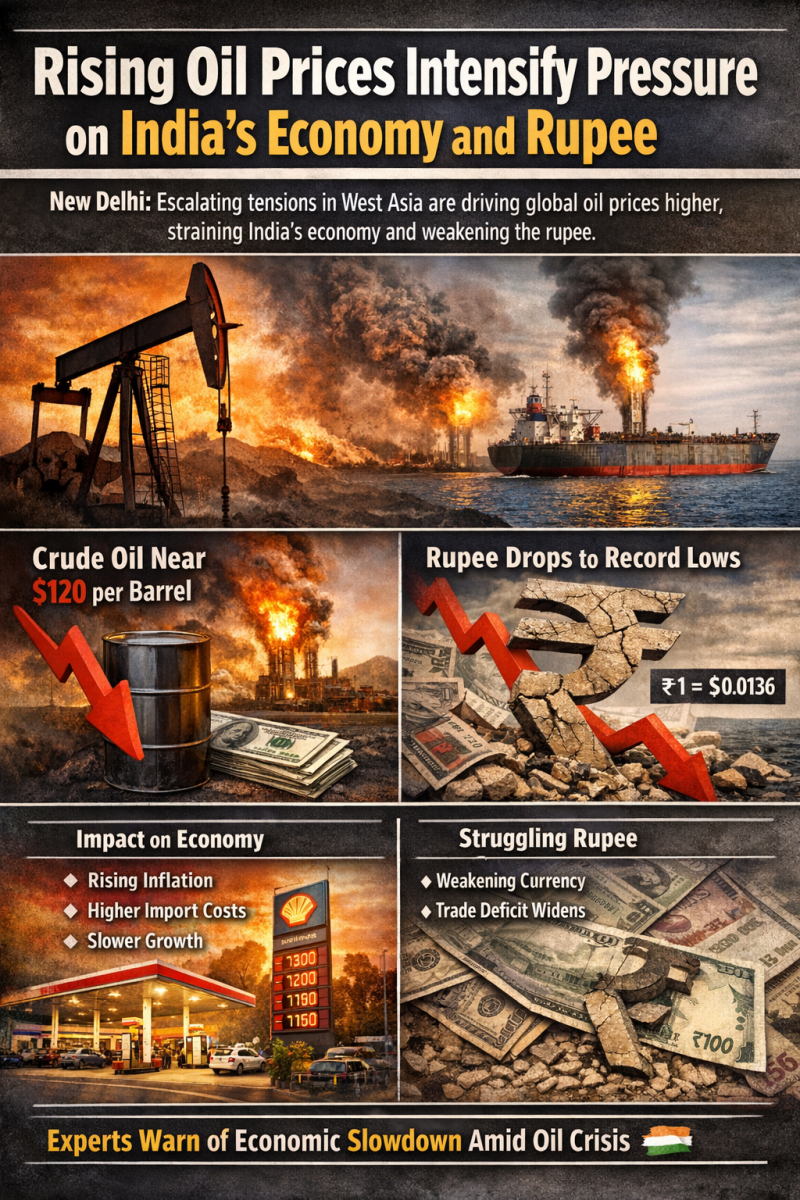
New Delhi — Escalating tensions in West Asia, particularly the ongoing conflict involving Iran, have begun to ripple through global financial markets, pushing crude oil prices significantly higher and raising concerns about their impact on energy-dependent economies such as India. As one of the world’s largest consumers and importers of crude oil, India is especially vulnerable to sudden fluctuations in global energy markets.
Over the past several weeks, international oil prices have surged as fears grow over potential disruptions to supply routes and production in the Middle East, a region responsible for a substantial share of the world’s crude oil exports. The possibility of prolonged instability has triggered anxiety among global investors and energy markets, driving prices upward and creating uncertainty for countries that rely heavily on imported fuel.
For India, the consequences are immediate and far-reaching. The country imports nearly 85 percent of the crude oil it consumes, making its economy highly sensitive to global price movements. When oil prices rise, India’s import bill increases dramatically, forcing the country to spend more foreign currency to secure the energy required to power industries, transport networks, and households. Because crude oil transactions are largely conducted in US dollars, higher prices increase the demand for dollars within the Indian economy.
This rising demand for dollars places pressure on the Indian rupee. In recent days, the currency has weakened noticeably against the US dollar, reflecting the growing strain on India’s external balance. A weaker rupee makes imports even more expensive, creating a cycle that can intensify economic pressure if oil prices continue to climb.
The effects extend far beyond currency markets. Rising fuel costs have a cascading impact on nearly every sector of the economy. Transportation costs increase as petrol and diesel prices rise, affecting logistics, agriculture, manufacturing, and aviation. Businesses often respond by passing these higher costs on to consumers, leading to increased prices for everyday goods and services. As a result, inflation can accelerate, eroding the purchasing power of ordinary households and placing additional burdens on lower- and middle-income families.
Economists warn that sustained increases in oil prices could slow India’s overall economic growth. Higher import costs widen the country’s trade deficit and put pressure on government finances, particularly if authorities attempt to cushion consumers by reducing fuel taxes or increasing subsidies. Even modest increases in global crude prices can translate into billions of dollars in additional expenditure for India’s energy imports.
Financial markets have already begun reacting to the uncertainty. Investors remain cautious as geopolitical tensions show little sign of easing, and analysts believe that prolonged instability in West Asia could keep oil prices elevated for an extended period.
In response, policymakers in India are closely monitoring global developments. The government may consider measures such as releasing crude from strategic petroleum reserves, adjusting fuel taxes, or coordinating with the Reserve Bank of India to stabilize currency markets if necessary. Such interventions are often used to cushion the immediate economic impact of sudden energy price shocks.
For now, however, the combination of rising oil prices, geopolitical tensions, and a weakening rupee presents a complex challenge for the Indian economy. As global events continue to unfold, the coming months will be crucial in determining how deeply these pressures affect India’s economic stability and growth trajectory.
Iran–U.S. Relations Intensify Amid Deadly Protests and Diplomatic Standoff
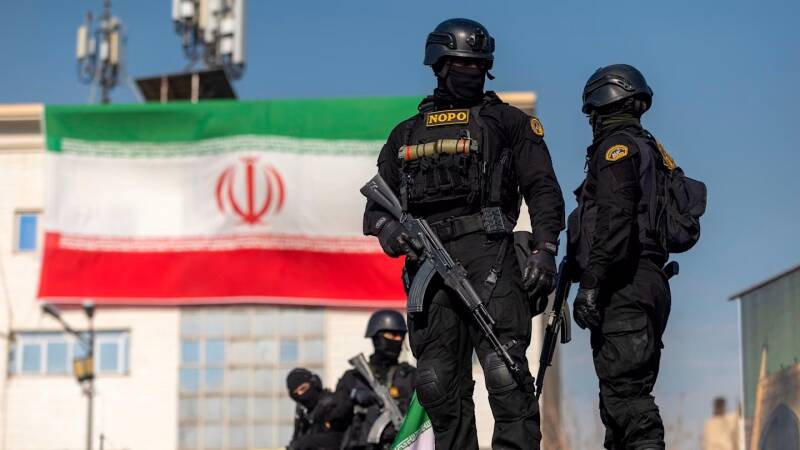
Relations between Iran and the United States have entered a new phase of confrontation as weeks of deadly protests inside Iran collide with sharp diplomatic exchanges, renewed sanctions, and fears of wider regional instability.
The latest escalation follows unprecedented public remarks by Iran’s Supreme Leader, Ayatollah Ali Khamenei, who accused U.S. President Donald Trump of actively encouraging unrest within Iran. In a nationally broadcast speech, Khamenei described the United States as a “criminal force” seeking to weaken Iran from within, blaming Washington for what he called “thousands of deaths” resulting from the protests.
President Trump responded by openly questioning Khamenei’s leadership and calling for “new leadership” in Iran, a statement that Iranian officials interpreted as an explicit endorsement of regime change. The exchange marked one of the most direct verbal confrontations between leaders of the two nations in recent years.
Protests and Crackdown Inside Iran
The unrest began in late December 2025, initially triggered by rising inflation, unemployment, and worsening economic conditions caused in part by long-standing international sanctions. What started as economic protests quickly evolved into broader demonstrations demanding political reform and greater personal freedoms.
Iranian security forces responded with sweeping crackdowns. Human rights organisations report that more than 3,000 people may have been killed, though the Iranian government disputes these figures. Thousands more have reportedly been arrested, including students, journalists, and activists. Authorities also imposed widespread internet restrictions, effectively cutting off large parts of the country from global communication.
Tehran maintains that the protests are being orchestrated by foreign powers, particularly the United States and its allies, to destabilise the Islamic Republic. Iranian officials argue that social media platforms and satellite channels funded abroad are fuelling unrest and spreading misinformation.
U.S. Response and Sanctions
Washington has strongly condemned Iran’s handling of the protests, calling the crackdown a “gross violation of human rights.” In response, the U.S. administration announced a fresh round of targeted sanctions against senior Iranian officials, security agencies, and state-linked organisations accused of participating in or enabling violence against civilians.
American lawmakers from both major parties have also urged the government to assist Iranian citizens by helping restore internet access and counter censorship. While the White House insists it seeks no direct military confrontation, the tone of its statements has raised concerns among diplomats about the risk of miscalculation.
Regional and Global Implications
The rising tensions have alarmed regional powers across the Middle East. Neighbouring countries fear that further escalation could destabilise the region, disrupt oil supplies, and trigger new refugee flows. Global oil markets have already shown signs of volatility amid concerns that a prolonged crisis could affect shipping routes and energy exports.
At the United Nations, several countries have called for restraint and dialogue. European leaders, while critical of Iran’s human rights record, have urged the United States to avoid actions that could push the situation toward armed conflict. Russia and China, meanwhile, have accused Washington of interference and warned that external pressure could worsen instability inside Iran.
A Dangerous Moment
Analysts warn that the current standoff resembles earlier flashpoints in Iran–U.S. relations, where aggressive rhetoric and sanctions risked spiralling into direct confrontation. However, unlike previous crises, the present situation is unfolding amid large-scale internal unrest within Iran, making the outcome far less predictable.
For ordinary Iranians, the crisis represents a painful crossroads. Many protesters see the demonstrations as a rare opportunity to challenge decades of political control, while others fear that international pressure and sanctions will only deepen economic hardship.
As the world watches closely, the coming weeks will be critical. Whether the crisis leads to reform, repression, or renewed confrontation between Tehran and Washington remains uncertain. What is clear is that Iran–U.S. relations are once again at a breaking point, with consequences that could extend far beyond the borders of either nation.
DRONE STRIKE DAMAGES RUSSIA-LINKED TANKER IN BLACK SEA
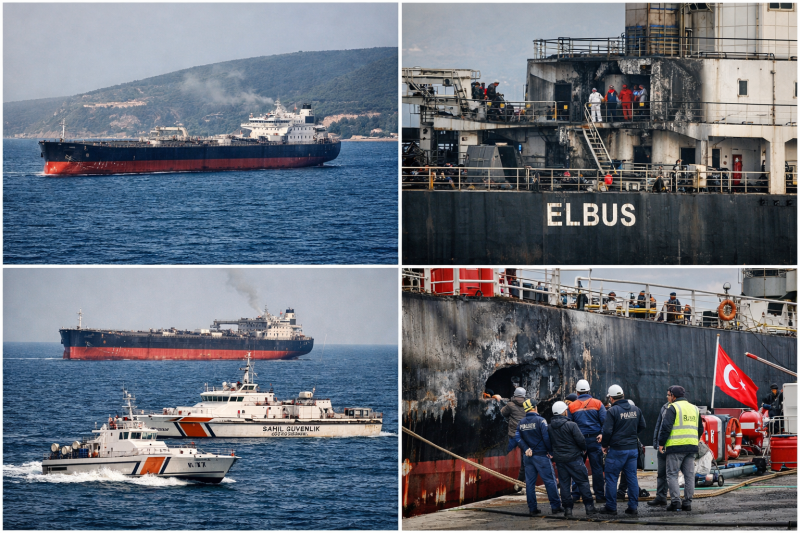
A Palau-flagged oil tanker linked to Russia’s so-called “shadow fleet” was struck in a suspected drone attack in the Black Sea off the coast of Turkey late Wednesday, maritime and Turkish media reported.
The vessel, Elbus, was en route to the Russian port of Novorossiysk when it was hit roughly 30 nautical miles off Türkiye’s northern shore near the port town of İnebolu.
Turkish coastguard units responded to a distress call from the tanker after reports of the strike. Photographs broadcast on local TV showed the vessel anchored in port, where authorities began a technical inspection of the damage.
NO INJURIES, NO POLLUTION REPORTED
Turkish officials and media say none of the 25 crew members were injured, and no oil spill or environmental contamination has been observed, alleviating some immediate safety concerns.
The exact extent of the damage remains under assessment, with initial reports suggesting the upper works of the ship were struck, though details vary between sources.
WHAT IS THE “SHADOW FLEET”?
The term “shadow fleet” refers to a network of aging tankers operating under flags of convenience, often with opaque ownership and irregular tracking to help move Russian oil around Western sanctions imposed since the Ukraine invasion.
In recent months, a number of these vessels have reported or sustained drone strikes in the Black Sea, reflecting growing tension at sea as Ukraine and its allies try to disrupt maritime sanction-busting operations.
GEOPOLITICAL CONTEXT
Although no official statement has been made by Ukrainian authorities regarding the latest incident, Ukrainian forces have previously claimed responsibility for similar attacks using naval drones on sanctioned vessels tied to Russia’s oil exports.
Maritime security analysts view the attack as part of broader efforts to curtail revenue streams funding the Kremlin’s war effort, and as a testament to how modern unmanned systems are reshaping naval conflict in key waterways.
By: International Affairs Desk
Date: 9 January 2026
India–US Trade Deal Optimism Grows Amid Strategic and Economic Realignment
New Delhi / Washington:
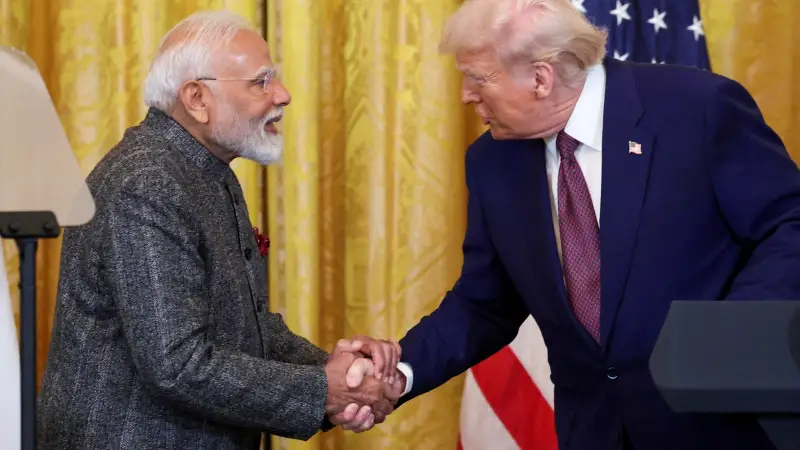
Optimism is growing around a potential India–United States trade agreement, as policymakers and analysts on both sides signal renewed momentum toward strengthening economic ties between the two democracies.
India and United States have, over the past few years, deepened cooperation across defence, technology, energy, and supply chains. The proposed trade deal is being viewed as a natural extension of this strategic partnership, aimed at boosting bilateral trade, reducing tariff barriers, and creating a more predictable business environment.
Senior officials have indicated that discussions are focusing on market access, digital trade, manufacturing, pharmaceuticals, and clean energy. There is particular emphasis on aligning supply chains to reduce dependence on single-country manufacturing hubs, a lesson underscored by recent global disruptions.
Prime Minister Narendra Modi has repeatedly highlighted India’s push to position itself as a global manufacturing and investment destination, while US leaders, including President Joe Biden, have stressed the importance of India as a long-term economic and strategic partner in the Indo-Pacific region.
Trade experts believe a deal could significantly expand bilateral trade volumes, which have already seen steady growth in recent years. American companies are increasingly viewing India as a key market for technology, defence production, and services, while Indian exporters are seeking greater access to US markets for textiles, pharmaceuticals, IT services, and industrial goods.
However, challenges remain. Differences over tariffs, agricultural market access, data regulations, and intellectual property rights continue to be points of negotiation. Analysts caution that while optimism is high, any agreement will require careful balancing of domestic interests on both sides.
Despite these hurdles, the prevailing sentiment is positive. Observers note that geopolitical alignment, economic complementarity, and shared democratic values are creating a favourable environment for progress.
If finalised, the India–US trade deal could mark a significant milestone, reshaping bilateral economic relations and reinforcing the partnership as a cornerstone of global trade and strategic cooperation in the years ahead.
NewsGold Prices Rise on Global Uncertainty, Safe-Haven Demand Strengthens
New Delhi, January 6:
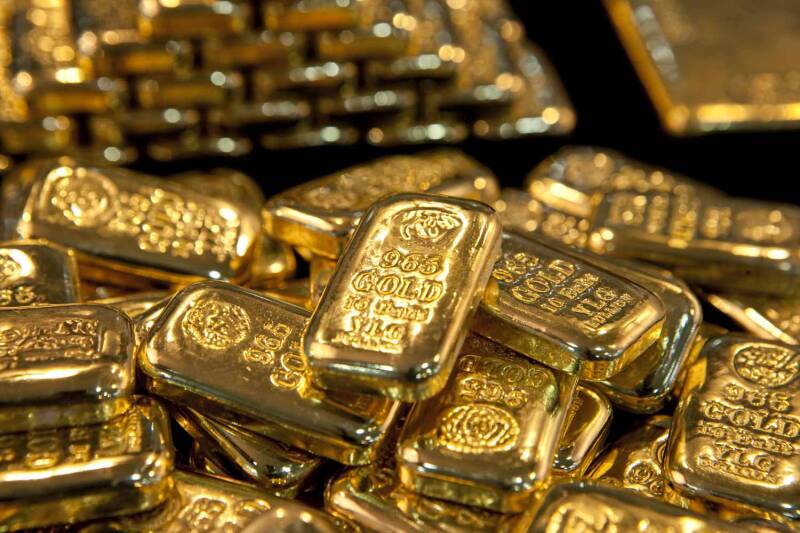
Gold prices climbed to a one-week high in India on Tuesday as investors turned to the precious metal amid global geopolitical uncertainty and expectations of interest-rate cuts by the Federal Reserve.
According to market analysts, gold gained momentum as traders sought safety following renewed global tensions and volatility in international financial markets. The outlook for softer monetary policy in the United States has further supported demand, as lower interest rates reduce the opportunity cost of holding non-yielding assets such as gold.
Global Factors Drive Demand
International spot gold prices firmed during Asian trading hours, reflecting growing caution among investors. Uncertainty surrounding geopolitical developments, coupled with mixed signals from global equity markets, has encouraged a shift toward traditional safe-haven assets.
Market participants noted that expectations of rate cuts by the U.S. Federal Reserve later this year have weakened the dollar marginally, making gold more attractive for buyers outside the United States, including in India, one of the world’s largest consumers of gold.
Impact on Domestic Markets
In the domestic market, gold prices rose across major cities, with jewellers reporting steady interest from retail buyers and investors. However, industry insiders said that while investment demand has improved, jewellery purchases remain cautious due to elevated price levels.
“Gold is currently being driven more by global cues than domestic demand,” said a Mumbai-based bullion dealer. “Investors are looking at gold as a hedge against uncertainty rather than for immediate consumption.”
Outlook Remains Firm
Analysts believe gold prices could remain supported in the near term if geopolitical risks persist and global central banks maintain a dovish stance. However, any sharp rebound in the U.S. dollar or stronger-than-expected economic data could limit further gains.
With volatility continuing across global markets, gold is expected to retain its appeal as a store of value, particularly among risk-averse investors.
Indian Shuttlers Make Strong Start at Malaysia Open; Hockey and Boxing Action Continues
Kuala Lumpur / New Delhi, January 6:
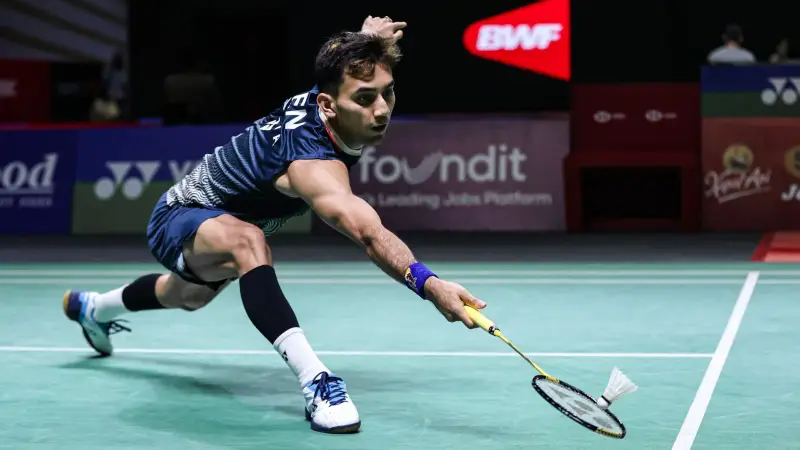
India began the sporting year on a positive note as leading shuttlers Lakshya Sen and Ayush Shetty advanced to the second round of the Malaysia Open, one of the most prestigious events on the BWF World Tour.
Lakshya Sen, currently India’s highest-ranked men’s singles player, registered a confident straight-games victory in his opening match, displaying sharp movement and controlled aggression. Youngster Ayush Shetty also impressed with a composed performance, overcoming his opponent in a tightly contested encounter to book his place in the next round.
The Malaysia Open, a Super 1000 tournament, features the world’s top badminton players and is considered a key preparatory event ahead of major championships later in the season.
Hockey and Boxing Updates
Meanwhile, domestic sporting action continues across multiple disciplines. Matches in the Hockey India League (HIL) and the Women’s Hockey India League (WHIL) are underway, with franchises competing intensely as the leagues enter crucial stages.
At the same time, the Senior National Boxing Championships are ongoing, with several emerging boxers delivering strong performances as they vie for national honours and selection opportunities.
Positive Start to the Season
Sports officials and analysts view the strong start in badminton and the steady progress in hockey and boxing as encouraging signs for Indian sport at the beginning of 2026. With several international tournaments and domestic leagues lined up in the coming weeks, athletes will look to build momentum and consistency.
India’s sporting calendar remains packed, with fans closely following performances across disciplines as the nation prepares for major global events later in the year.
Stay informed with hindusthan times digital
Welcome to the news page of Hindusthan Times Digital, your source for fast, accurate, and unbiased digital news. We deliver verified facts and ethical journalism, focusing on ground-level stories with transparency and credibility. Stay informed with responsible reporting, free from sensationalism or political influence. Dive in and explore the stories that matter.

Uttar Pradesh Releases Draft Voter List Under Special Intensive Revision
Lucknow, January 6:
The Election Commission of India (ECI) on Monday released the draft electoral roll for Uttar Pradesh under the Special Intensive Revision (SIR) 2026, marking one of the largest voter list revision exercises undertaken in the state in recent years.
According to official data, nearly 2.89 crore names have been removed from the draft list following verification processes carried out across districts. The revision aims to eliminate duplicate, shifted, deceased, and ineligible voters, thereby strengthening the integrity and accuracy of the electoral process ahead of upcoming elections.
Massive Clean-Up Drive
Officials said the SIR exercise involved door-to-door verification, cross-checking with death records, migration data, and Aadhaar-linked databases. Booth Level Officers (BLOs) conducted field surveys over several months to ensure that only eligible voters remain on the rolls.
An ECI spokesperson stated,
“The Special Intensive Revision is meant to ensure that every eligible citizen is included and every ineligible entry is removed. This is essential for free and fair elections.”
Citizens Urged to Verify Details
The Election Commission has urged all residents of Uttar Pradesh to verify their names and details in the draft voter list, which is now available on the ECI website and at local election offices.
Voters whose names are missing, incorrectly recorded, or require corrections can file objections or claims using prescribed forms. The correction window will remain open for a limited period, after which the final voter list will be published.
Political Reactions and Concerns
The large-scale deletion of names has triggered political reactions across party lines. Opposition leaders have demanded transparency, expressing concern that genuine voters—especially migrant workers, urban poor, and first-time voters—may have been excluded.
The Election Commission, however, has assured that no eligible voter will be denied their right, provided claims are submitted within the stipulated timeframe.
What Happens Next
-
Claims and objections will be accepted over the coming weeks
-
District-level scrutiny will follow
-
The final electoral roll will be released after due verification
The SIR exercise is expected to play a crucial role in shaping voter participation and confidence in the democratic process in India’s most populous state.

National news that matters
Hindusthan Times Digital provides comprehensive coverage of national news, focusing on current affairs and public-interest stories. Our reporting offers clear and accurate context, helping you understand what's happening and why it matters. We are committed to delivering news based on verified facts, ensuring you receive trustworthy information without speculation or misinformation. Discover how national events impact your life with practical insights into social, economic, and national consequences.

Global insights, verified facts
Stay updated with Hindusthan Times Digital's global news coverage, providing insights into important developments in politics, society, economy, and culture around the world. Our commitment to ethical journalism ensures transparency and credibility in every report. We aim to provide you with verified information, avoiding sensationalism and political influence. Understand the real-world context behind global events and their potential impact on your life and community. Subscribe to our newsletter to receive regular updates directly.

Stay informed and share responsibly
After reading the news on Hindusthan Times Digital, we encourage you to share credible stories responsibly. Help spread verified information and promote a better understanding of current events. Explore related articles to deepen your knowledge and stay informed through trustworthy journalism. Join our community of informed readers and contribute to a more transparent and accountable news environment.